Pages

Wednesday, September 7, 2011

If symptoms of genital warts are not treated early, can lead to cervical cancer

Symptoms of genital warts - If detected early and treated, can reduce the likelihood of developing cancer of the cervix.

Symptoms of genital warts can be many, and can even be confused with other diseases. This is especially true in terms of genital HPV infection is manifested in the form of physical warts. Note that although HPV has no cure so far, it is easy to find a cure for genital warts.

What are the> Symptoms of genital warts? Like many other STDs, HPV infection often causes no symptoms. A study sponsored by the National Institute of Allergy and Infectious Diseases (NIAID) reported that nearly half of all women with HPV had no obvious symptoms. However In many cases, small, hard (easily visible to the eye) can develop within three weeks to three months after exposure.

In women, warts can occur on the lips of the vagina, the vaginaor around the anus. Genital warts can cause itching. Women also develop cervical warts, which are flat lesions invisible in their early stages.

Other symptoms may include:


Cauliflower growths that appear around the anus or genitals
Increased dampness or moisture in the area of ​​injury
Itchy penis, scrotum, anal or vulvar itching
Increased vaginal discharge
Abnormal vaginal bleeding (not associated with the menstrual cycle)after sex

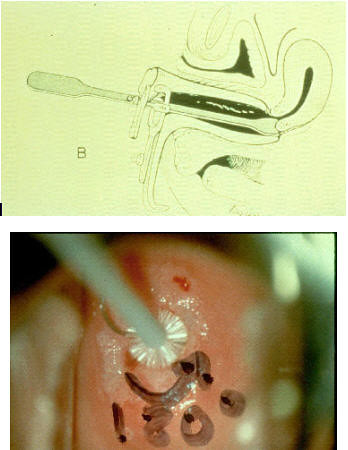
You can have all the symptoms of genital warts, but not yet physically on your genitals. One possible reason for the symptoms of genital warts are mistaken for other thing is that warts can be almost invisible to the naked eye.

In these circumstances, your doctor will consider the symptoms and the use of a variety of methods to determine if you have genital warts. One of the most common is a small dropamount of acetic acid (vinegar) in the suspected infected area of ​​warts.

Symptoms of genital warts may also lose if they occur within the walls of the vagina. In this case, the symptoms may be another disorder called yeast infection. That's why it's a good idea to seek immediate professional help when signs of genital warts are detected.

Get the most accurate diagnosis of the symptoms you are seeing is of vital importance, the lastcar you want is the diagnosis and the probability of error is high, and then take a completely different condition. This may have implications further in the sense that the use of the wrong drug for the treatment of a disorder that can leave your body adjusts to the drug, making it useless when you need it most.

The disadvantage would be to ignore the symptoms of genital warts and leave the condition untreated, leads to more serious conditions such as'cervical cancer. One possibility is even more worrying if you have symptoms of recurrent genital warts can be a sign of cervical cancer or even HIV-AIDS.

Therefore, the severity and urgency of an appropriate control when you see one of these symptoms is essential. You will be able to receive adequate treatment is necessary to help get rid of genital warts.

It should be noted that even if you can find a cure for genitalwarts treated with the announcement right to fight the symptoms, the underlying virus, Human Papilloma Virus (HPV) can not be cured. You have to rely on the immune system to help fight the HPV virus.

Tuesday, September 6, 2011

How can you survive stage 4 ovarian cancer

The doctor just said that ovarian cancer has moved to Phase 4, the most advanced and dangerous of all. Your worst nightmare just made and you are in a very anxious and desperate. This is a very common feeling among patients with stage 4 cancer. But remember this. People have survived stage 4 cancer and this article explains how this was achieved against the odds.

First, some statistics to givesome comfort. "More than 60% of all patients with ovarian cancer are already in phase 3 or 4 at diagnosis. In other words, there are many people out there in your situation and gives you the opportunity to share their experience. Another consolation is only 0.1% of patients have metastases in the brain, which, frankly, is a horrible experience.

You may have heard people say there is no cure for stage 4 tumors or cancers that are inoperable. In other words, Stage 4 cancer patients are terminally ill in some way. But this is not true. There are treatments for ovarian cancer stage 4. For example, patients usually undergo a total hysterectomy and removal of the cancer process, which involves removing the tumor as possible to the pelvic area. After these two procedures, chemotherapy is used to destroy the remaining cancer. Now you can accept that there are several treatments for this type and stage> Cancer.

Finally, perhaps the most important part of surviving ovarian cancer is having a positive attitude and optimistic situation. It's amazing how many people get sick or worse, simply by adopting a negative attitude. Be optimistic and treat this experience as a learning experience in their exciting journey of life.

As you can see surviving this stage of cancer is very dangerous and can and should not lose hope, if you wantto overcome this type of cancer. Always remember that having a positive attitude is essential in the fight for the survival of ovarian cancer in stage 4.

Monday, September 5, 2011

Data common cancer that women need to know about

Did you know that the most common cancers affecting women are breast, colon, endometrial, ovarian, skin, cervix and lung cancer? Learn a little "about these types of cancer do you know what actions you can take to possibly save your life or the life of someone you love.

Breast Cancer

The most common cancer that women may face in their life is breast cancer. The diseasecan occur at any age but is more common among women 40 and older. There are some risk factors that can dramatically increase your chances of getting breast cancer, such as family history of breast cancer. Every woman should know about breast cancer and what they can do about it.

Steps

The best way to protect against breast cancer is to detect as soon as possible when it is much easiertreated. Early detection is the best weapon against breast cancer.


All women should have annual mammograms from age 40.
All women should have a clinical breast exam at least once every 2 or 3 years for women between 20 and 30, and every year for women 40 years or more.
Women should report any changes in your breasts to your doctor immediately.
All women should perform a breast self-exam at least once a month from 20.

Womenwho are at high risk of breast cancer (women with a family history of breast cancer, a genetic tendency, or have had breast cancer the past) to learn about the benefits of cancer screening starting before, or evidence additives, such as breast X-rays, ultrasound or MRI. These women should consult their doctor about these options.

Colon Cancer

Colon cancer can affect women andmen. Each adult can get cancer of the colon and rectum. And "more common among people over 50 years. If you have a personal or family history of cancer or polyps in the colon or rectum, or inflammatory bowel disease, they are more likely to have colon cancer. Other factors risk include a diet of foods high in fat (especially foods of animal origin), overweight, smoking and physical inactivity.

Measures that canTake

Almost all colon cancers begin as a polyp in the colon. If precancerous polyps are found and removed, then the colon is a great opportunity to be avoided. Regular testing can detect polyps before they become cancerous, and possibly save lives.


Eating a diet low in fat, with emphasis on fruits and vegetables to help prevent colon cancer.
If you are 50 years or more, here are five recommendations on options for the test.
Annual occult blood test (FOBT) or fecal immunochemcial test (FIT) is recommended.
Every five years a flexible simoidoscopy recommended.
Combined annual FOBT and flexible sigmoidoscopy every five years is the preferred option.
Barium enema double contrast is recommended every 5 years.
Every 10 years, colonoscopy is recommended.
Consult your doctor and discuss these options and the risk of colon cancer.

Endometrial> Cancer

Endometrial cancer is cancer of the cervix 'womb and is more common in women who are 50 years or more. Risk factors for this cancer are:


He is also taking estrogen without progesterone
The use of tamoxifen for the treatment or prevention of breast cancer
The early onset of menstruation or late menopause
A history of infertility or childlessness
Obesity and diabetes
Personal or family history of Hereditary non-polyposis colon are more likely to get endometrial cancer.

Steps

Signs and symptoms that may be unusual spotting or bleeding unrelated to menstruation. Immediately inform your doctor immediately. Menopausal women with endometrial cancer should talk with their doctors. Pap tests are not reliable for the detection of endometrial cancer, cervix only> Cancer. If you have risk factors for endometrial cancer, then testing with an annual endometrial biopsy is recommended for women 35 years or more.

Ovarian cancer

Ovarian cancer is more likely to occur in women as they age. Other risk factors include women who have never had children, or infertility, or women who have had their first child after age 30, women with late menopause (after 50 years of age), women usingHormone replacement therapy for more than 10 years, women have had breast cancer. Even if you have any of these risk factors, which may develop ovarian cancer.

Steps

Unfortunately, unlike a mammogram to detect breast cancer, there is no evidence shown to be effective in detecting ovarian cancer early. However, a pelvic examination should be considered a normal part of each woman's health. Here are someOther warning signs can talk to your doctor: persistent inflammation in the abdomen, persistent digestive problems (gas, bloating, loss of appetite), abdominal pain, pelvic pain, back pain, leg pain, feeling that it is need to urinate all the time. If you have any of these symptoms, talk to your doctor.

Skin Cancer

If you ever spend time in the sun, then you could be at risk of skin cancer - which means that anyonemay be in danger! Heads white skin, blond or red are more likely to get skin cancer than people with naturally dark skin and hair colors. Other risk factors for skin cancer have a close relative with melanoma, and anyone with a severe sunburn before age 18.

Steps

Skin cancer is one of the few cancers that can (almost) to avoid! Stay out of the midday sun for a long timeperiods of time. Use wide-brimmed hats, sunglasses, sunscreen and long sleeves. Sunscreen should be SPF 15 or higher and should be used on all exposed skin. Do not let your kids get sunburned! Examine your skin regularly throughout the body and skin are examined during routine health check.

Cervical Cancer

Women who have had sexual activity may have cervical cancer. Riskchances are dramatically increased in women who have HPV (human papillomavirus). HPV is transmitted to women during sex. Risk factors increases as you age, and if you do not have regular Pap tests, and if you smoke, have HIV or AIDS.

Steps

Pap smears can detect changes in the cervix that can be treated before they become cancerous. In addition, the Pap test can detect cervical cancer in its early stages, whenis more likely to be curable. All women should have regular tests for cervical cancer after the age of 21 years or within three years after vaginal intercourse. The test should be done every year (for a Pap test) or every two years (for testing new liquid-based Pap). In 30 years, women with three normal Pap tests in a row can go to the test every two or three years. Talk to your doctor about how often you should be testedperformed. All women should have the HPV DNA testing newer (talk to your doctor about it).

Lung Cancer

Smoking causes more than 80% of all lung cancers, but also to nonsmokers can get lung cancer.

Steps

Lung cancer, like skin cancer, can often be avoided! If you smoke - quit! If you do not smoke - do not start! To help and encourage others to quitsmoke.

The conclusion on Cancer

Early detection is the best weapon against cancer. See your doctor about risk factors and what tests and examinations are recommended for you. Doing these things can save your life!

Sunday, September 4, 2011

Uterine cancer survival rate

The survival rate of cancer of the uterus is measured based on a large scale with the condition / disease. Patients should be aware that no two cases are similar and the results of the studies, although reliable, may not be exactly the same with yours.

The survival rate of cervical cancer is the average percentage of patients to prolong his life until 5 years after the diagnosis is confirmed. This does not mean that everyone who participated in thesurvey had the same opportunities. Some of them lived more than 5 or 10 years despite the cancer.

The earlier cancer is detected, the better the prognosis and the greater the survival rate of cervical cancer. This applies not only to cervical cancer, but most tumors If your doctor has said that only 50% chance of living, this could mean two things -. In a period of five years, you can not live two and a half years or morethat.

There was a study reported that cervical cancer is more common in African-Americans Caucasian Americans. Survival rate of uterine cancer is much higher among the latter than the former.

In a period of five years:

White women have a 86% survival rate.

African American women have survival rates around 61%.

Although the reason is not exactly established, researchers believe it has something to do with greater number of pregnancies (Gravida) of African American women than Caucasians. Food choices and lifestyle preferences are also somewhat "related to this problem.

In most cases the cancer, the first phase, the higher the survival rate. In stage 0 or 1, the survival rate of cancer is higher than 96%. When the cancer reaches stage 2 or 3, expect a survival rate of less than 66%. Thus, drastically in the last stage, when the> The cancer has spread to other organs such as the ovaries, intestines, liver, etc. In phase 4, the survival rate can only be as low as 25 percent, over a period of 5 years is technically right back a year and some months.

Fortunately, most cases of cervical cancer are detected in Phase 1, when the cancer has not proliferated and is easier to remove. Only about 16% of patients are diagnosed when the tumor isthe Stage 3 and less are diagnosed in stage 4. Therefore, treatment may still be able to help patients survive to 5 years.

Saturday, September 3, 2011

3 Possible symptoms of ovarian cancer

Ovarian cancer is a disease that affects the female reproductive organs. It begins when the process of cell division goes wrong in the ovaries and begin to multiply quickly and a sense of control. This leads to a cancerous growth which in turn causes a tumor to form. It is not known exactly what causes this cancer, but the history of the age, ovulation and family are all thought to have an influence. If the tumor begins to press often form aroundcells and causes pain, discomfort and other undesirable symptoms in these areas. In this article we will discuss three of these symptoms of ovarian cancer in more detail.

1) inflammation of the stomach: - If you get ovarian cancer and the tumor becomes large enough can cause the stomach to swell physically. Inflammation, but not necessarily a sign of ovarian cancer is a cause for concern if you can not explain. Therefore, if you noticeyour stomach has become bloated and can think of no logical reason to go see a doctor immediately. They will be able to do some tests and let you know cause your stomach to swell.

2) irregular periods: - Normally, the ovaries release an egg each month. If this fertilized egg is expelled from the body during a woman's menstrual period. However, if the cancer has developed, can block the ovaries, making it difficult for eggs to be released. This can have an impact on their periods. Therefore, if the period seem to change for no apparent reason to go see your doctor immediately. Again, there are many factors that can cause irregular periods, but the doctor can tell if it is linked to ovarian cancer.

3) pain in the lower abdomen or side: - If the tumor grows large enough, you can begin to put pressure on the ovaries. This can lead to pain in the lower abdomen and flanks. Many women mistake this> PMS pain symptoms. However, if you start to experience when you are not currently in the period you should see your doctor immediately. The pain can not be related to ovarian cancer, but the doctor will be able to perform the tests and let you know for sure.

I hope this article has given you a clearer view of some potential warning signs for ovarian cancer. While your first instinct might be the brush of these symptoms, such asPMS is therefore necessary to step back and think for a second before doing this. If there is no logical reason behind these symptoms it is likely that something is wrong. It may be nothing to do with ovarian cancer, but it is best to consult your doctor and get a final, professional opinion on the subject.

While the intention has been made ​​to make this article accurate and informative, is for general information. Ovarian cancer is verySevere, potentially fatal and should discuss treatment, concerns or lifestyle changes fully with your doctor.

Friday, September 2, 2011

Beating Ovarian Cancer: Know the first signs

Cervical cancer symptoms


The words strike fear of ovarian cancer in women of all ages. Y "is called a silent disease because early symptoms are often mild or even ignored. This type of cancer occurs when tumors are present as irregular or both ovaries. Unfortunately, doctors are still unsure of the exact cause of disease, however, there are some factors that may increase the risk.

It is shown that ovarian cancer is genetic, and women with BRCA1mutation have a higher risk. The victims of breast cancer are more likely to develop cancer. Women also become more sensitive as they age. Those who have given birth to at least one child less risk of disease. The good news is that ovarian cancer is very treatable if detected early.

Although the symptoms of ovarian cancer tend to be very delicate, it is very important to listen to your body and consult your doctor if somethingnot feeling well. Detecting cancer early increases survival rates. Some of the most common symptoms include changes in bowel and urinary tract. Women may feel the need to go to the bathroom often, but are only able to set aside a small amount. They often feel bloated after eating small meals, and are easy to gain weight. Another common symptom is pain in the pelvis, similar to that of an ovarian cyst. Because these symptoms are common to otherdiseases, it is important to consult your gynecologist for a checkup.

Only your doctor can diagnose ovarian cancer. Very often, the diagnosis occurs during a routine pelvic exam, when you feel a cyst on the ovaries. Using ultrasound, the structure of the cyst is examined. Most of these cysts are benign and resolve spontaneously, but some irregular cysts may have to do a biopsy. If the cysts are shown to be malignant, then your doctor will explain the treatmentoptions. The whole process can be intimidating and stressful, but most women experience ovarian cysts in her life, and only a handful are cancerous.

Remember, if detected early, the chance to fight ovarian cancer are very high. Over ninety percent of women diagnosed in the early stages will survive five years. Taking care of your body, both through diet and exercise, can reduce the risk of cancer. It is very important for all women to yearly exams. They feelembarrassed to talk to your doctor about changes you might be feeling. They are there to help.

Thursday, September 1, 2011

Explanation of the fourth stage cervical cancer

Cervical cancer symptoms


The cervix is at the bottom of the uterus where the baby grows during pregnancy. Cervical cancer is caused by a virus called human papillomavirus (HPV). The virus is transmitted by sexual contact. Most of the female body can fight off infection by HPV. But sometimes the virus causes cancer. They are at greater risk if you smoke, have many children, the pill for a long time, or HIV infection.

Cervical cancer may not cause anysymptoms at first, but then you may experience pelvic pain or bleeding from the vagina. It usually took several years for normal cells in the cervix change into cancer cells The doctor can detect abnormal cells in Pap tests -. examine the cervical cells under a microscope. Take Pap tests and pelvic exams regularly, you will be able to detect and treat the cells before they turn into cancer. Vaccine for girls and young women can protect against four types of HPV that cause most cervical cancers.

Doctors recommend that women reduce the risk of cervical cancer with regular Pap tests. Pap test (also called Pap test or Pap smear) is a simple test that is used to observe the cells of the cervix. Pap smear can detect cervical cancer or abnormal cells that can cause cervical cancer. Identification and treatment of Abnormal cervical cells can prevent most> Cancer. In addition, the Pap test can detect cancer early, when treatment is most effective.

Stages:

. Stages of cancer depending on whether the cancer is found The following are the stages of invasive cervical cancer:

- Phase I: The cancer has invaded the cervix beneath the top layer of cells, cancer cells are found only in the cervix ..

- Stage II: Tumor extends to the upper vagina. Perhaps beyond the cervix into the nearbythe tissues of the pelvic wall (the lining of the body between the hips). The tumor does not attack the lower third of the vagina or pelvic wall.

- Phase III: the tumor extends to the bottom of the vagina. It also may have invaded the pelvic wall. If the tumors block the flow of urine, one or both kidneys can not function properly.

- Phase IV: Attack of the bladder or rectal cancer. Or the cancer has spread to other body parts.

- The recurrent cancer: Cancerof cancer being treated, but had returned after a period of time can not be detected. can be born again in the cervix or other body parts.

Women with cervical cancer have many treatment options. The options are surgery, radiotherapy, chemotherapy or a combination of methods. The choice of treatment depends mainly on tumor size and whether the cancer has spread. Treatment options may also depend on whether you are planning to become pregnant someday. The doctorable to describe treatment options and expected outcomes of each treatment and possible side effects. You and your doctor can work together to develop a plan for medical care tailored to individual needs.

The doctor may refer you to a specialist, or you can ask for references. You should see gynecologic oncology, a surgeon who specializes in treating cancer in women. Other specialists who treat cervical cancer include gynecologists, medical oncologistsand radiation oncologists. Your healthcare team may also include an oncology nurse, and registered dietitians.

Before starting treatment, ask your medical team about possible side effects and how treatment may change the normal activity. Because cancer treatments often damage healthy cells and tissues, side effects are common. Side effects can not be the same for everyone, and may be modified in subsequent treatment sessions. At each stage of the disease, moreTreatments are available to reduce the side effects of treatment to control pain and other symptoms, and help you overcome the feelings that arise as a result of cancer diagnoses.

amazon